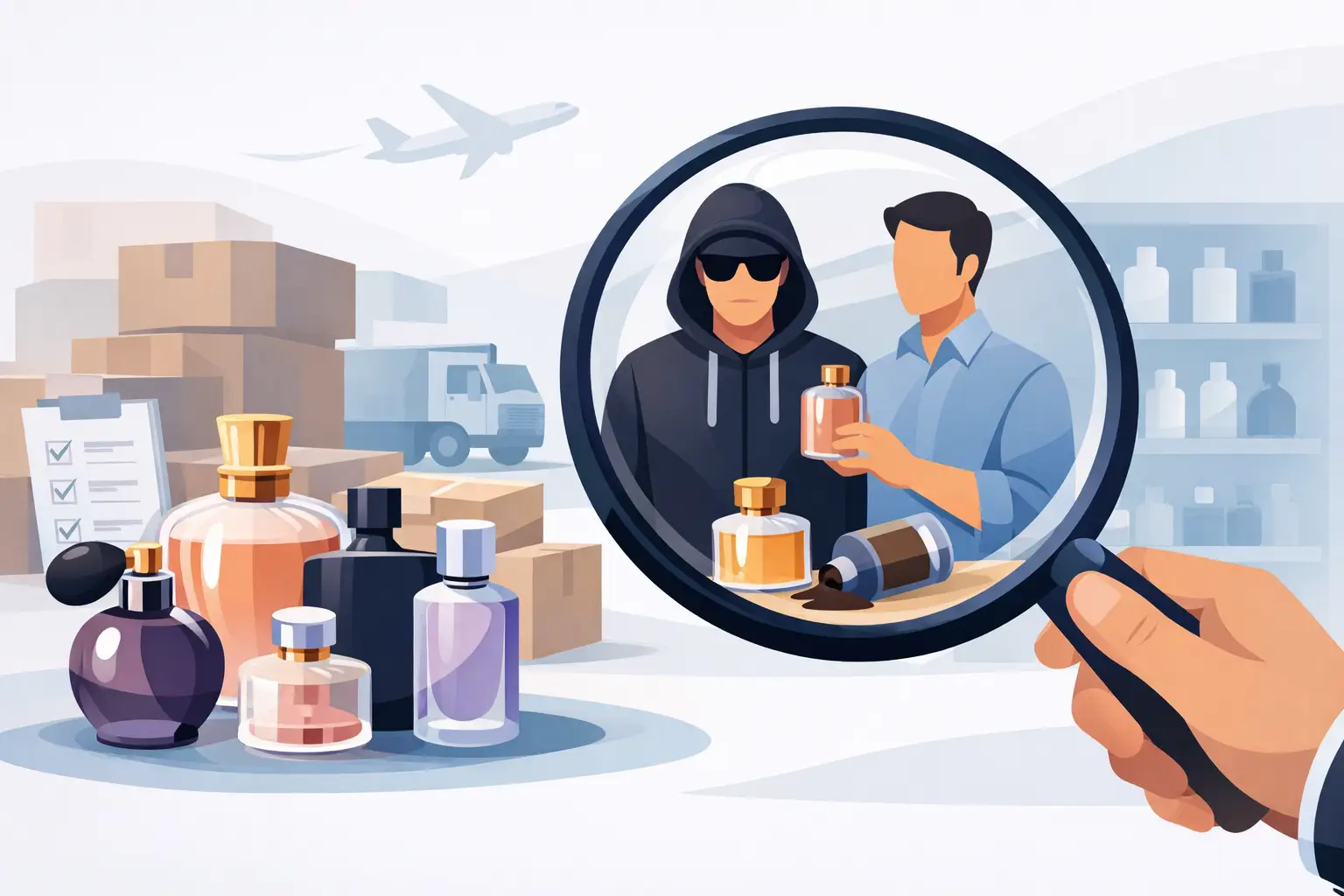
A low price on branded perfume can look like a margin win until the shipment arrives with damaged packaging, missing batch codes, or products your customers immediately question. That is exactly why learning how to spot fake distributors: the B2B checklist for buying perfume in bulk matters for any retailer, e-commerce seller, or procurement team sourcing fragrance at scale. In perfume wholesale, one weak supplier decision can hurt sell-through, trigger returns, and damage customer trust far faster than it saves money.
Why fake perfume distributors are a serious B2B risk
In retail beauty, supply quality is not just a product issue. It is a business performance issue. When a distributor is illegitimate, the risk usually spreads beyond counterfeit stock. You may also face inconsistent replenishment, unclear paperwork, gray market complications, and avoidable disputes over damaged or incomplete orders.
Perfume is especially sensitive because customers notice details. Packaging finish, bottle quality, atomizer performance, scent consistency, and batch coding all affect credibility at the shelf and after purchase. If your source is unreliable, the damage reaches your reviews, repeat purchase rates, and brand perception.
That is why experienced buyers do not evaluate distributors on price alone. They evaluate whether the supplier can protect margin and protect reputation at the same time.
How to spot fake distributors: the B2B checklist for buying perfume in bulk
The fastest way to identify risk is to treat supplier screening like a commercial audit, not a casual inquiry. A real distributor should be able to support your buying decision with verifiable business information, consistent communication, and product-level transparency.
Check whether the business is real before you check the deal
Start with the company itself. A legitimate B2B perfume distributor should have a registered business entity, a traceable operating history, and a credible market presence. If the seller avoids sharing company registration details, warehouse information, VAT or tax identifiers where applicable, or basic trade credentials, that is not a small omission. It is an early warning.
You should also look at how they present themselves operationally. Serious wholesale partners speak in terms of lead times, MOQs, product availability, export capability, and account support. Fake operators often focus almost entirely on urgency, discounts, and limited-time access to high-demand brands.
A polished website alone proves very little. What matters is whether the business can stand up to verification when you ask direct procurement questions.
Ask where the inventory comes from
This is one of the most important checks in fragrance wholesale. A trustworthy distributor should be able to explain its supply chain clearly enough for a buyer to assess risk. They may not disclose every commercial detail, but they should be able to clarify whether the goods come from authorized channels, closeout opportunities, regional overstock, or parallel trade.
If the answer is vague, defensive, or constantly changing, slow down. A supplier who cannot explain source legitimacy creates exposure for your business. Even when products are not outright counterfeit, unclear sourcing can lead to packaging inconsistencies, market-specific labeling issues, or stock that is difficult to resell confidently.
There is nuance here. Not every legitimate wholesale opportunity comes directly from a brand owner. Secondary distribution exists. The issue is not whether inventory changed hands. The issue is whether the distributor can document that it moved through credible channels.
Verify product authenticity markers
In perfume, details matter. Ask for current product photos that show cellophane quality, box printing, barcode placement, batch codes, ingredients panels, and bottle construction. Request images from actual warehouse stock, not generic catalog images pulled from the internet.
Batch codes deserve special attention. A professional supplier should understand why you are asking about them and should not treat the question as unusual. If codes are missing, removed, inconsistent, or presented unclearly across the same SKU, that needs explanation before you place an order.
Packaging can vary by market and production run, so do not reject a supplier over every minor difference. But if several details feel off at once, trust the pattern rather than rationalizing it away.
Test communication quality like you would test product quality
Bad suppliers often reveal themselves long before payment. They avoid specifics, respond inconsistently, and rush you toward a transfer without resolving basic questions. A real wholesale partner should be able to discuss assortment, quantities, fulfillment timelines, claims handling, and documentation without confusion.
Notice how they answer practical issues. Do they provide structured quotations? Do they confirm whether stock is ready to ship or subject to allocation? Can they explain return conditions or shortage procedures? Professional communication is not cosmetic. It is usually a reliable signal of whether the supplier can support your business once the order leaves the warehouse.
Review pricing with a commercial lens, not wishful thinking
Every buyer wants strong wholesale pricing. That is rational. But pricing that sits far outside normal market logic should trigger due diligence, not excitement.
If a distributor offers premium branded perfume in bulk at levels that undercut credible wholesale ranges with no explanation, ask why. Sometimes there is a legitimate answer, such as aged stock, packaging updates, regional inventory clearance, or volume-based liquidation. But if the supplier cannot explain the economics, the low price may be hiding product, paperwork, or fulfillment risk.
The real cost of bad inventory is not the invoice. It is the returns, customer complaints, wasted ad spend, and shelf space tied up in stock you cannot sell with confidence.
Red flags buyers should never ignore
Some warning signs are subtle. Others are direct enough that experienced buyers walk away immediately. A supplier becomes high-risk when several of these appear together:
- They refuse to share full company details or issue invoices from a different entity than the one they present.
- They push payment urgency before verifying stock, documentation, or shipping terms.
- They cannot provide recent product images or send only edited marketing assets.
- They avoid questions about batch codes, origin, or packaging variation.
- They offer famous fragrance brands at implausibly low prices with no commercial explanation.
- They change banking details mid-conversation or ask for unusual payment routes.
- They have no clear claims policy for shortages, damage, or authenticity disputes.
One red flag may call for more questions. Five red flags usually mean you already have your answer.
The safer way to buy perfume in bulk
Strong perfume sourcing is built on process. Before your first order, request company documentation, product evidence, and trading terms in writing. Start with a smaller test order if the supplier is new to your business. That approach may slightly reduce your opening margin, but it can protect you from a much larger loss.
It also helps to assess whether the distributor understands your channel. A supplier serving serious retailers should be comfortable discussing fast-moving SKUs, assortment planning, replenishment rhythm, and packaging condition standards. That operational understanding is often what separates a strategic wholesale partner from a trader chasing quick deals.
For international buyers, shipping and export readiness matter as much as product authenticity. Ask how orders are packed, what documentation accompanies the shipment, and how discrepancies are handled upon delivery. A distributor that supports global retail customers should be ready for those questions.
Why dependable distribution creates a strategic advantage
When your supplier is credible, your business gets more than inventory. You gain forecasting confidence, steadier replenishment, cleaner customer experience, and better control over your assortment. That matters in fragrance, where a missed trend or one bad batch can quickly affect sales performance.
This is where the difference between a seller and a wholesale partner becomes clear. A seller focuses on closing a deal. A partner helps protect your business over time. For retailers and beauty businesses looking to grow with confidence, that distinction is not minor. It is a competitive advantage.
Companies such as Glamour TEK AG understand that wholesale reliability is part of the product offering itself. Premium beauty inventory only creates value when buyers can trust the source, the condition, and the continuity behind it.
If you are evaluating a new perfume supplier, do not let urgency or low pricing make the decision for you. Ask sharper questions, verify the business behind the offer, and buy with the same discipline you expect from your own retail operation. The right distributor does not just ship product – they help power a stronger, more credible beauty business.