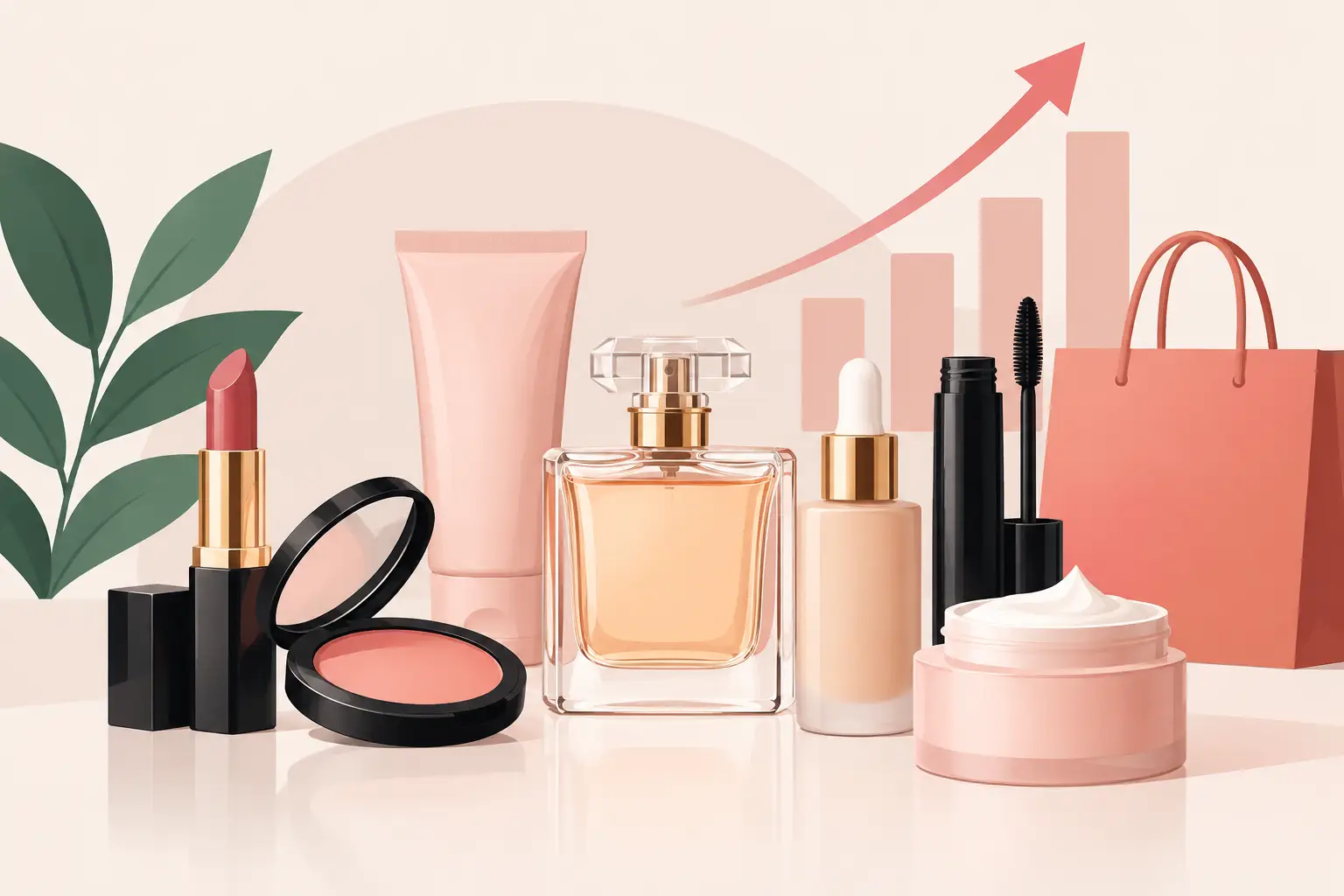
A prestige fragrance gift set can create a high-value sale in seconds, but the products that keep a beauty business moving are often the ones customers return to buy again. Retail buyers asking what products drive beauty sell through need more than a list of popular SKUs. They need an assortment strategy that balances dependable replenishment, recognizable brands, seasonal demand, and the trends that bring new shoppers through the door.
Strong sell-through is not about chasing every viral launch. It is about giving customers clear reasons to buy now, return later, and add more to the basket. For beauty retailers, that means selecting inventory with a defined role in the assortment and sourcing it with enough consistency to support growth.
What Products Drive Beauty Sell-Through?
The best-performing beauty assortments usually combine three commercial engines: everyday essentials that generate repeat purchases, premium products that raise average order value, and trend-led items that create urgency. The exact mix depends on your customer, price positioning, channel, and local market, but these engines work together across physical retail and e-commerce.
An online beauty seller may lean further into searchable replenishment products and discovery-friendly bundles. A boutique store may depend more heavily on scent, packaging, and staff recommendations. In both cases, the goal is the same: make the assortment easy to understand, easy to shop, and commercially productive.
Replenishment essentials create dependable volume
Cleansers, moisturizers, body care, deodorants, shampoo, conditioner, and everyday makeup staples are rarely the most dramatic products on a shelf. They are often the most dependable. Customers use them regularly, understand their value, and have a practical reason to repurchase.
For retailers, essential products create a reliable base of sales. A customer who trusts a facial cleanser or body lotion is more likely to return for the same item, explore another product from the brand, or add a complementary purchase. These categories also support subscription-style buying behavior in e-commerce, even when no formal subscription program is in place.
The key is to avoid treating essentials as generic inventory. Choose products with clear consumer signals: trusted brand recognition, a visible benefit, accessible price points, and packaging that communicates quickly. A shelf crowded with similar basic products can slow decisions. A tightly selected range gives customers confidence.
Fragrance remains a high-value sales driver
Perfume continues to be one of beauty retail’s strongest opportunities for increasing basket value. Well-known fragrances offer immediate recognition, gifting appeal, and emotional purchasing power. They work across age groups and shopping occasions, from personal replenishment to birthdays, holidays, and celebrations.
Fragrance sell-through improves when the range covers multiple entry points. Full-size eau de parfum bottles establish premium value, while travel sizes, discovery sets, miniatures, and gift sets reduce the commitment required for a first purchase. These formats also make fragrance more accessible to customers who want variety rather than one signature scent.
Seasonality matters. Gift-ready fragrance performs especially well before major holidays, but retailers should not reserve these products for the fourth quarter. Valentine’s Day, Mother’s Day, graduation, wedding season, and travel periods all create opportunities to position fragrance as an easy, desirable purchase.
Makeup wins when it solves a visible need
Makeup can be trend-sensitive, but its best sellers usually have a clear use case. Mascara, complexion products, brow products, lip color, setting sprays, and easy-to-use multi-purpose items consistently earn space because customers understand how they fit into a routine.
Shade-dependent products require more discipline than universally appealing categories. A broad foundation wall may look impressive, but it can trap capital if it does not match the actual complexion needs of your customer base. Start with proven, versatile shades and expand using sales data rather than assumptions. In a similar way, lip products may sell quickly when the colors are wearable and the finish reflects current demand, but too many near-identical shades can create slow-moving stock.
Trend-led makeup still has a role. A fresh color story, a viral lip format, or a high-shine finish can generate traffic and social interest. The trade-off is timing. Buy trend products in controlled quantities, review sell-through quickly, and replenish winners instead of committing heavily before demand is proven.
Skin care performs when the promise is clear
Skin care is a powerful repeat-purchase category, particularly when products address recognizable concerns such as hydration, cleansing, uneven texture, dullness, or blemish-prone skin. Customers do not need a complicated routine to make a purchase. They need a clear reason to believe the product fits their concern and their budget.
For retail buyers, the strongest skin care assortment often includes approachable entry products alongside premium treatment options. A reliable cleanser or moisturizer brings customers into the category. Serums, masks, eye care, and targeted treatments can raise the value of the transaction when the customer is ready to build a fuller routine.
Product education is especially important here. Whether selling online or in-store, organize skin care by benefit and routine step. When customers can quickly identify a product for hydration, glow, or daily cleansing, they are more likely to convert than when faced with a wall of technical claims.
Build a Beauty Sell-Through Mix, Not a Random Catalog
A profitable assortment does not require hundreds of products. It requires intentional category coverage. Every SKU should earn its position by delivering repeat demand, margin potential, brand appeal, seasonal relevance, or a strong cross-sell opportunity.
A useful buying framework considers four questions:
- Does the product solve an everyday beauty need or encourage repeat purchase?
- Does it come from a brand customers already recognize or actively seek out?
- Can it increase basket value through gifting, bundling, or routine-building?
- Is supply dependable enough to replenish a proven seller without disruption?
The fourth question is often underestimated. A product can sell quickly once, but it becomes a growth driver only when you can restock it reliably. Inconsistent supply forces retailers to replace winning products with alternatives, interrupting customer trust and reducing the value of merchandising work already completed.
This is where a strategic wholesale relationship matters. Glamour TEK AG supports retailers with premium, commercially relevant beauty inventory designed to strengthen assortment confidence. Access to trusted products is valuable, but reliable availability, competitive wholesale positioning, and informed category selection are what help turn inventory into ongoing revenue.
Use Product Formats to Increase Conversion
The format of a product can be as important as the product itself. Customers at different stages of the buying journey respond to different price points and commitment levels.
Travel sizes and miniatures are effective entry products. They suit trial, travel, gifting, and impulse purchases, while allowing shoppers to experience a brand before purchasing a full-size item. Gift sets simplify decision-making and can increase perceived value without requiring a deep discount. Bundles built around a routine, scent family, or beauty concern make it easier to sell more than one item at a time.
Do not assume that lower-priced products are always the fastest movers. Premium products can achieve excellent sell-through when the brand is trusted, the presentation is strong, and the benefit is easy to communicate. The right approach is to create a price ladder: an accessible entry point, a core product, and a premium upgrade. That structure gives customers options without sending them elsewhere to complete their purchase.
Let Data Decide What to Reorder
Beauty trends move quickly, but retailer decisions should not be driven by intuition alone. Review sell-through by SKU, category, price point, brand, and season. Look beyond total sales volume. A product selling steadily at a healthy margin may be more valuable than a heavily discounted item that moves fast but contributes little profit.
Watch for products that create attachment sales. A fragrance that leads to a body lotion purchase, or a cleanser that brings a serum and moisturizer into the basket, has value beyond its individual revenue. These patterns reveal where merchandising, bundles, and sales conversations can do more work.
Also identify slow movers early. Slow sell-through is not always a product failure. It may reflect poor placement, unclear pricing, missing testers, weak product information, or an assortment with too many similar options. Test the presentation before writing off the category, but act decisively when demand remains limited.
Make the Assortment Easy to Buy
Customers should be able to understand your beauty offer within moments. Organize products around clear needs: everyday essentials, fragrance gifts, complexion, lip color, hydration, or travel-ready beauty. In e-commerce, use direct product descriptions and purposeful collections. In stores, place complementary items close together and give staff a simple reason to recommend the next product.
The most effective inventory strategy is not about carrying everything. It is about carrying the products customers recognize, need, and want to come back for, supported by trend-led choices that keep the business relevant. Start with dependable demand, test emerging opportunities with discipline, and give every strong seller the supply support it deserves.