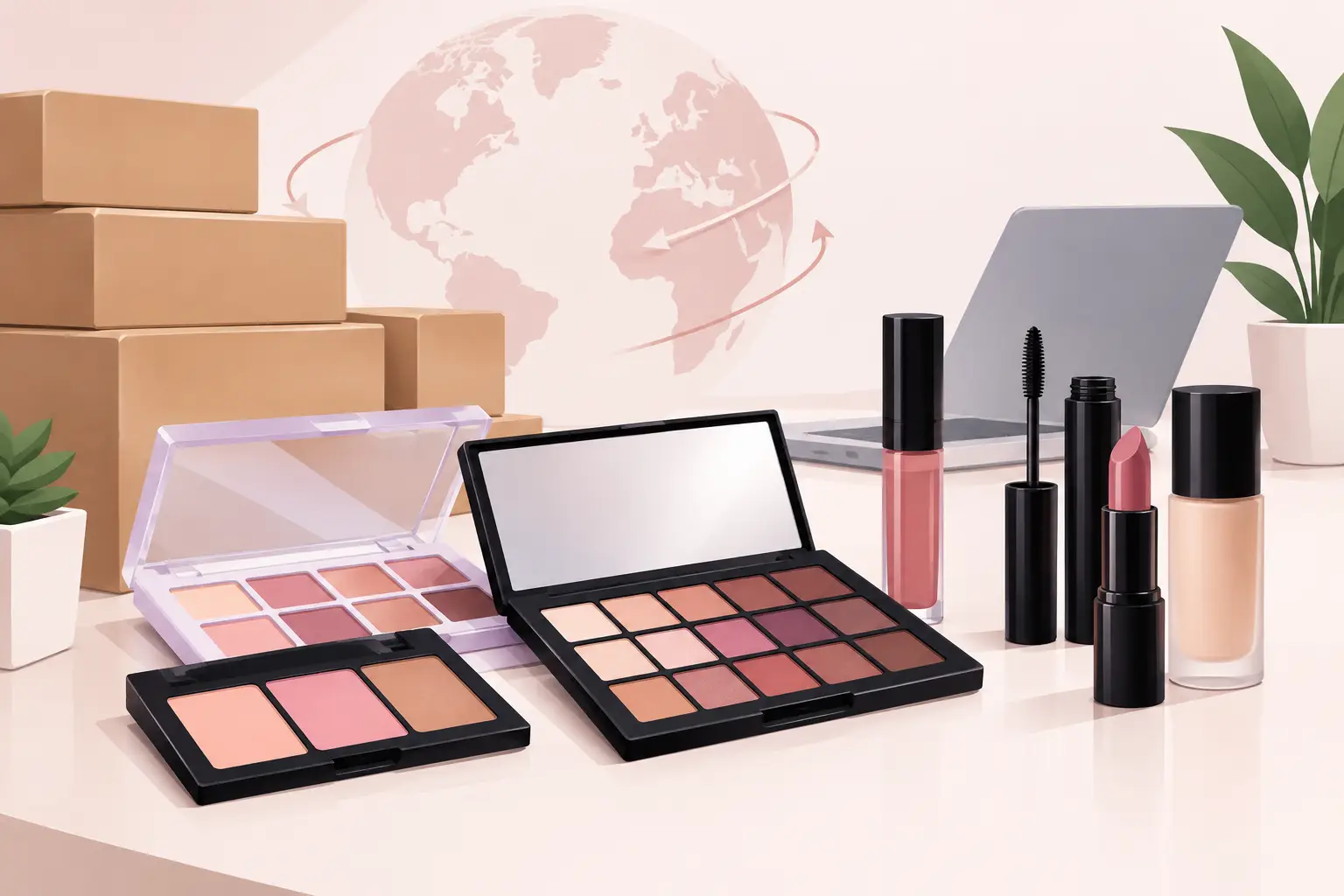
A strong elf cosmetics wholesale palette distributor relationship is not simply about finding the lowest unit price. For retailers, palettes sit at the intersection of visual merchandising, trend demand, gifting potential, and repeat basket value. The supplier behind that inventory must help protect all four.
e.l.f. Cosmetics has broad consumer recognition and a price-accessible position that can create real momentum across beauty stores, online shops, and value-conscious assortments. But demand alone does not make an item commercially sound. Retail buyers need to confirm product provenance, condition, assortment relevance, and delivery consistency before committing capital to palette inventory.
What Retailers Need From an ELF Cosmetics Wholesale Palette Distributor
A distributor should make it easier to buy with confidence, not add uncertainty to the procurement process. That begins with clear product information: item names, shades, barcodes, batch or lot details where applicable, country-of-origin information, quantities, and shelf-life expectations. Vague listings may appear attractive at first, but they make receiving, cataloging, and customer service more difficult later.
Authenticity and channel compliance should be central to the conversation. Ask whether inventory is sourced through authorized channels and whether the supplier can provide the documentation required for your sales channel. Marketplace sellers, in particular, may face additional brand, invoice, or product-traceability requirements. A competitive price has little value if the stock cannot be listed, advertised, or sold confidently.
Supply reliability matters just as much. A palette that performs well can quickly become a core seller, especially when it supports everyday eye looks, travel-friendly routines, or seasonal gifting. Your distributor should be able to communicate available quantities honestly, set realistic lead times, and distinguish between current stock and incoming inventory. That visibility helps you plan promotions without creating a frustrating out-of-stock experience for customers.
Why Palettes Earn Their Place in a Beauty Assortment
Palettes do more than add color to a shelf. They create an easy, highly visual entry point for shoppers who want a coordinated selection without choosing multiple individual products. For retailers, that can raise perceived value while making the purchase decision simpler.
Eye palettes also support cross-selling. A customer drawn to neutral shadows may also need eyeliner, mascara, brow products, brushes, setting spray, or complexion essentials. Merchandising palettes beside complementary categories can increase attachment sales in-store and build more persuasive product recommendations online.
The commercial value depends on your customer base. A store serving younger trend-led shoppers may see faster movement from vivid colors, shimmer finishes, and limited-edition themes. A retailer focused on daily wear, professional kits, or mature consumers may achieve more dependable sell-through with neutral, matte, and versatile color stories. The right buying decision is not the palette with the most social attention. It is the palette that fits your customers’ habits and price expectations.
Evaluate the Assortment Before You Buy Deep
Start with range balance. Avoid building a palette offer made entirely of similar warm neutrals or entirely of statement shades. A more commercially useful mix usually includes dependable everyday options alongside trend-forward products that give the assortment energy.
Review the actual shade story, finish mix, pan size, packaging format, and retail price position. Product images can create an impression, but the details determine whether a palette works for your channel. Compact formats may be better for impulse purchases and travel-focused customers, while larger formats can perform well as gifts or as a higher-value add-on to a full makeup order.
Seasonality also deserves attention. Holiday sets and limited collections can create urgency and strong average order value, yet they carry a tighter selling window. Core palettes may move more gradually, but they offer better replenishment potential and more predictable merchandising. A balanced purchase often combines both rather than overcommitting to one approach.
Before placing a major order, test a representative selection across price points. Measure sell-through by shade family, finish, and display position. For e-commerce, track conversion rate, returns, customer questions, and bundle attachment. For stores, watch which palettes customers pick up, swatch, and purchase with companion items. That information is more valuable than a generic bestseller claim.
Wholesale Pricing Is Only One Part of Margin
Buyers should calculate landed margin rather than judging an offer by cost per unit. Freight, duties, taxes, payment terms, storage, packaging requirements, marketplace fees, promotional discounts, and potential damage all affect the real profitability of a palette order.
A lower purchase price can be the better deal, but only when the inventory is saleable, properly documented, and delivered on the schedule your business needs. Conversely, a slightly higher unit cost may protect margin if it comes with stronger stock condition, accurate paperwork, lower operational risk, and dependable replenishment.
It is also worth considering the cash-flow profile of palettes. Larger assortment packs can improve your unit economics, but they can tie up capital in slow-moving shades. Smaller initial orders may carry a higher per-unit price while giving you clearer demand data. The right choice depends on your customer traffic, online conversion history, storage capacity, and ability to reorder quickly.
Questions That Protect Your Purchase Order
A professional supplier should be prepared to answer practical due-diligence questions before you commit. Request clarity on these points:
- Is the inventory authentic, traceable, and eligible for sale in your intended market?
- What are the exact SKUs, UPCs, quantities, condition standards, and expiration or batch details?
- Is stock physically available now, and what is the expected dispatch timeline?
- What documentation accompanies the order, including commercial invoices and packing details?
- What are the minimum order quantities, payment terms, freight options, and claims process for shortages or damages?
These questions are not administrative formalities. They help retailers avoid mismatched listings, receiving disputes, delayed launches, and stock that cannot be efficiently moved through the intended channel.
For international buyers, compliance deserves extra attention. Cosmetic labeling, language requirements, product notifications, and import obligations can vary by destination. A supplier may provide valuable product information, but the retailer remains responsible for confirming the rules that apply to its market. Build that review into your purchasing timeline rather than treating it as a final check after the goods are in transit.
Turn Palette Inventory Into Faster Sell-Through
Once inventory arrives, execution determines whether an attractive buy becomes a productive category. Put palettes where customers can understand them quickly. Clear shade imagery, finish descriptions, and use-case language help online shoppers assess a product without testing it in person. In physical retail, clean testers where permitted, focused displays, and companion-product placement can improve conversion.
Bundle intelligently rather than discounting immediately. A palette paired with a brush set, mascara, or primer can give shoppers a complete-look solution while protecting the perceived value of each item. If you run promotions, use them to move specific shade stories or seasonal stock, not as a default response to every slow week.
Replenishment discipline matters as well. Separate proven repeat sellers from one-time experimental buys. Reorder core products early enough to avoid gaps, while keeping limited or trend-sensitive inventory on a shorter review cycle. This approach gives retailers the stability of a dependable base assortment without losing the excitement that keeps beauty customers returning.
Glamour TEK AG supports retailers looking to build commercially relevant beauty assortments with a focus on product quality, dependable wholesale supply, and inventory that can compete in fast-moving markets. The strongest supplier relationships are built on clear information, practical planning, and a shared focus on sell-through.
Choose palette inventory with the same care you apply to your storefront or product pages: every SKU should earn its space, support your margin, and give customers a reason to come back for the next look.