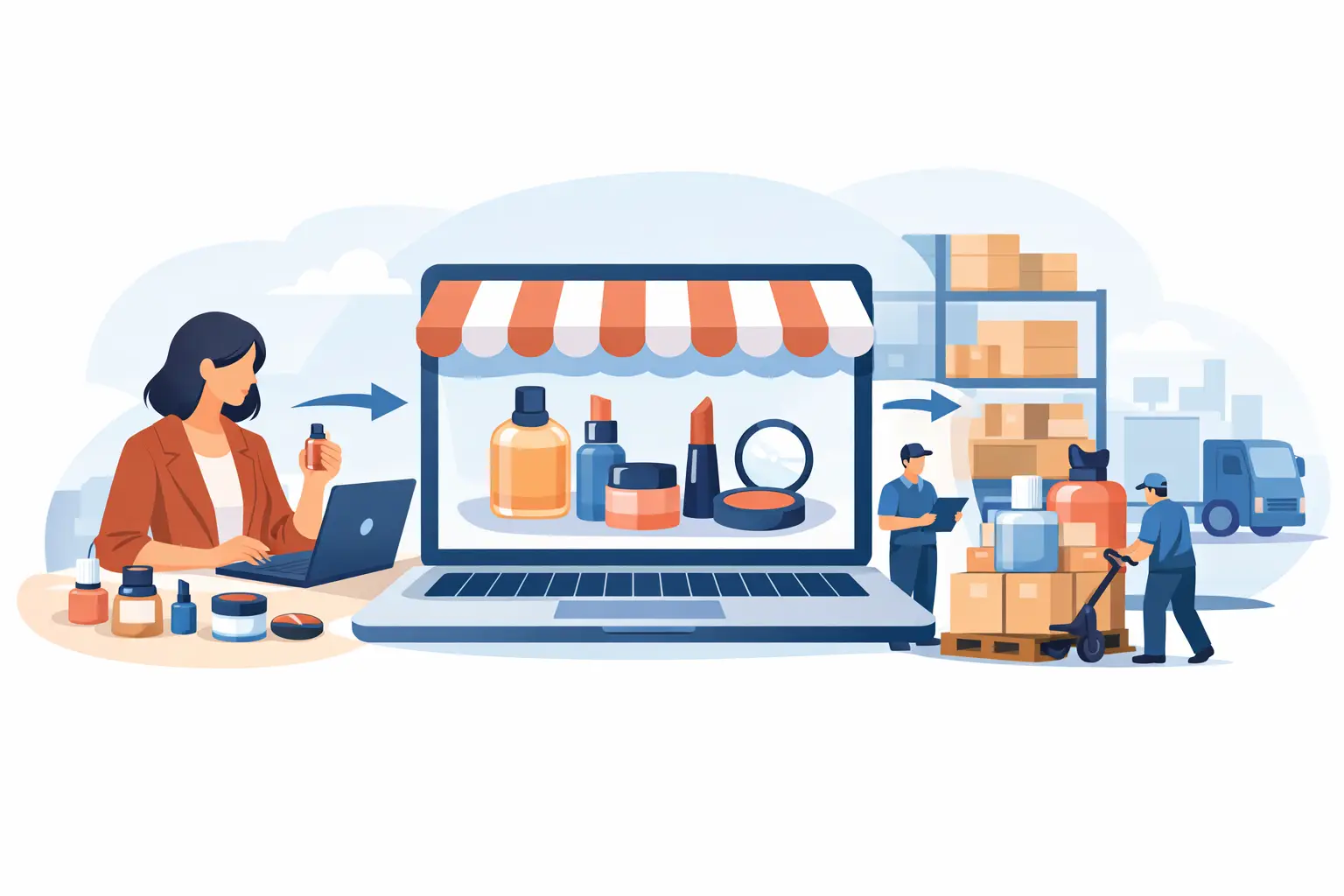
A retailer loses momentum fast when bestsellers go out of stock, margins get squeezed, or a supplier cannot keep pace with demand. That is why so many buyers ask, can retailers buy cosmetics wholesale? The short answer is yes – but buying well is not just about placing a larger order. It is about working with the right wholesale partner, understanding resale requirements, and building an assortment that moves.
For independent beauty stores, e-commerce sellers, regional chains, and multi-category retailers adding beauty lines, wholesale purchasing is often the most practical route to scale. It gives you access to broader product selection, more competitive pricing, and inventory consistency that retail sourcing through consumer channels simply cannot match.
Can retailers buy cosmetics wholesale legally and efficiently?
Yes, retailers can buy cosmetics wholesale if they are operating as a legitimate business and purchasing through authorized B2B channels. In most cases, that means having a registered business, a resale certificate or tax ID where required, and a clear purchasing process that aligns with local import and resale rules.
The legal side matters because cosmetics are not just another retail category. Product authenticity, labeling, batch traceability, shelf life, and regulatory compliance all affect whether inventory can be sold with confidence. A serious wholesale distributor helps reduce risk by supplying products that are commercially viable and properly handled for resale.
Efficiency is the second part of the equation. Buying wholesale only creates an advantage when the process supports your business model. If minimum order quantities are unrealistic, lead times are inconsistent, or the assortment lacks trend relevance, the savings on unit cost can disappear quickly. Strong wholesale buying balances price with reliability, product quality, and sell-through potential.
Why wholesale cosmetics make sense for retailers
The biggest reason is margin control. Retail buyers need enough room between landed cost and selling price to cover operations, promotions, and inventory risk. Wholesale pricing creates that room. It gives retailers a better chance to compete on price when needed without undermining profitability.
It also strengthens assortment planning. Beauty customers do not shop by logic alone. They respond to brand familiarity, newness, packaging, shade selection, and category credibility. Wholesale access helps retailers build a more complete offer across fragrances, makeup, skin care, and personal care instead of relying on scattered one-off purchases.
There is also a speed advantage. Trend cycles in beauty move quickly. A retailer that can source in volume from a dependable distributor is better positioned to respond to seasonal demand, gifting periods, social-driven product interest, and repeat purchase behavior. That speed can become a real strategic advantage in both online and physical retail.
What retailers need before buying wholesale
Before opening a wholesale account, retailers should have the basics in place. Most distributors will expect proof that you are a legitimate resale business. Depending on your market, this may include a business registration, employer identification number, resale permit, or sales tax certificate.
You should also be clear about your sales channel. A supplier may ask whether you sell through a brick-and-mortar store, online marketplace, direct e-commerce site, salon, pharmacy, or regional distribution network. This is not just administrative. It helps determine whether the product mix, pack sizes, and pricing structure fit your business.
Planning matters as much as paperwork. If you approach wholesale buying without target categories, expected order volumes, and price points, it becomes easy to overbuy slow sellers and miss the fast movers that drive repeat business. The stronger your retail strategy, the more value you get from the wholesale relationship.
How to evaluate a cosmetics wholesale supplier
Not all suppliers support growth in the same way. Some can offer low entry pricing but weak stock continuity. Others carry recognized brands but cannot provide the operational consistency retailers need. The real question is not whether a retailer can buy wholesale cosmetics, but whether the supplier can help that retailer sell them profitably and repeatedly.
Start with product authenticity and quality standards. In beauty, trust is everything. Customers expect products to perform, arrive in saleable condition, and match what they believe they are buying. A wholesale partner should be able to stand behind inventory quality and maintain professional handling standards.
Next, assess assortment relevance. A useful wholesale catalog should combine established demand with trend-led opportunity. That means balancing dependable everyday products with commercially smart additions that help your store stay current. If the selection is stale or too narrow, your growth potential is limited from the start.
Supply reliability is equally important. Retailers do not just buy products. They buy availability. If you cannot replenish top sellers when demand rises, the customer goes elsewhere. That is why experienced buyers place high value on distributors who understand continuity, forecasting, and scalable fulfillment.
Pricing should be evaluated in context. Low prices matter, but so do pack configuration, reorder flexibility, shipping efficiency, and stock consistency. The cheapest line on paper is not always the most profitable once markdown risk and out-of-stock losses are factored in.
Common challenges when retailers buy cosmetics wholesale
The first challenge is buying too broadly too early. It is tempting to launch with an oversized assortment, especially in a category as visual and trend-driven as beauty. But too much variety without enough demand history can tie up cash in underperforming stock. A more disciplined launch often performs better.
The second challenge is choosing suppliers based only on price. That approach can create hidden costs through damaged goods, inconsistent lead times, limited replenishment, or product issues that affect customer trust. In beauty retail, one poor supplier decision can hurt both margins and reputation.
Another challenge is misreading the customer base. A retailer may assume that premium positioning alone guarantees sales, or that low price points will always move fastest. In reality, local demand, channel strategy, and brand fit all shape performance. Wholesale buying works best when data, not assumptions, drives the product mix.
There is also the compliance factor. Cosmetics require careful attention to labeling, destination-market requirements, and expiration management. Retailers that ignore these details can create unnecessary operational problems. The right wholesale partner helps keep the process commercially sound.
Can small retailers buy cosmetics wholesale?
Absolutely. Small retailers, niche beauty founders, and emerging online sellers can all buy wholesale, provided they meet supplier requirements and order within realistic volume expectations. In fact, smaller businesses often benefit significantly because wholesale purchasing helps them compete with stronger pricing and a more credible assortment.
The key is to buy with precision. A small retailer does not need every category at once. It is often smarter to start with a focused range of fast-moving items, test demand, and expand based on actual customer response. This protects cash flow while still giving the business room to grow.
A supplier that understands retail growth can make that process much easier. Instead of acting like a simple order desk, the right distributor supports buyers with commercially relevant inventory, dependable stock access, and a product mix built for retail sell-through. That kind of relationship can elevate your beauty business far beyond the first order.
What a strong wholesale partnership should deliver
A good supplier fulfills orders. A strong partner helps power your business. That means consistent access to premium beauty products, competitive wholesale pricing, and an assortment strategy that reflects what customers are buying now, not last year.
Retailers should expect responsiveness, clarity, and professionalism. They should also expect a level of market awareness from their wholesale partner. Beauty is a category where trends shift quickly, and inventory decisions directly shape revenue. Working with a distributor that understands both product demand and retail pressure gives you a sharper commercial position.
For retailers looking to scale in perfumes, cosmetics, and personal care, that partnership model matters. Companies such as Glamour TEK AG position wholesale as a growth engine, not a back-office transaction. That difference shows up in the quality of the assortment, the consistency of supply, and the confidence retailers can bring to their buying decisions.
Wholesale cosmetics buying is not reserved for large chains or major distributors. It is accessible to serious retailers who want better margins, stronger stock control, and a more compelling offer for their customers. If your business is ready to move beyond opportunistic sourcing, the better question is not whether you can buy wholesale. It is whether your current supply strategy is giving you enough room to grow.