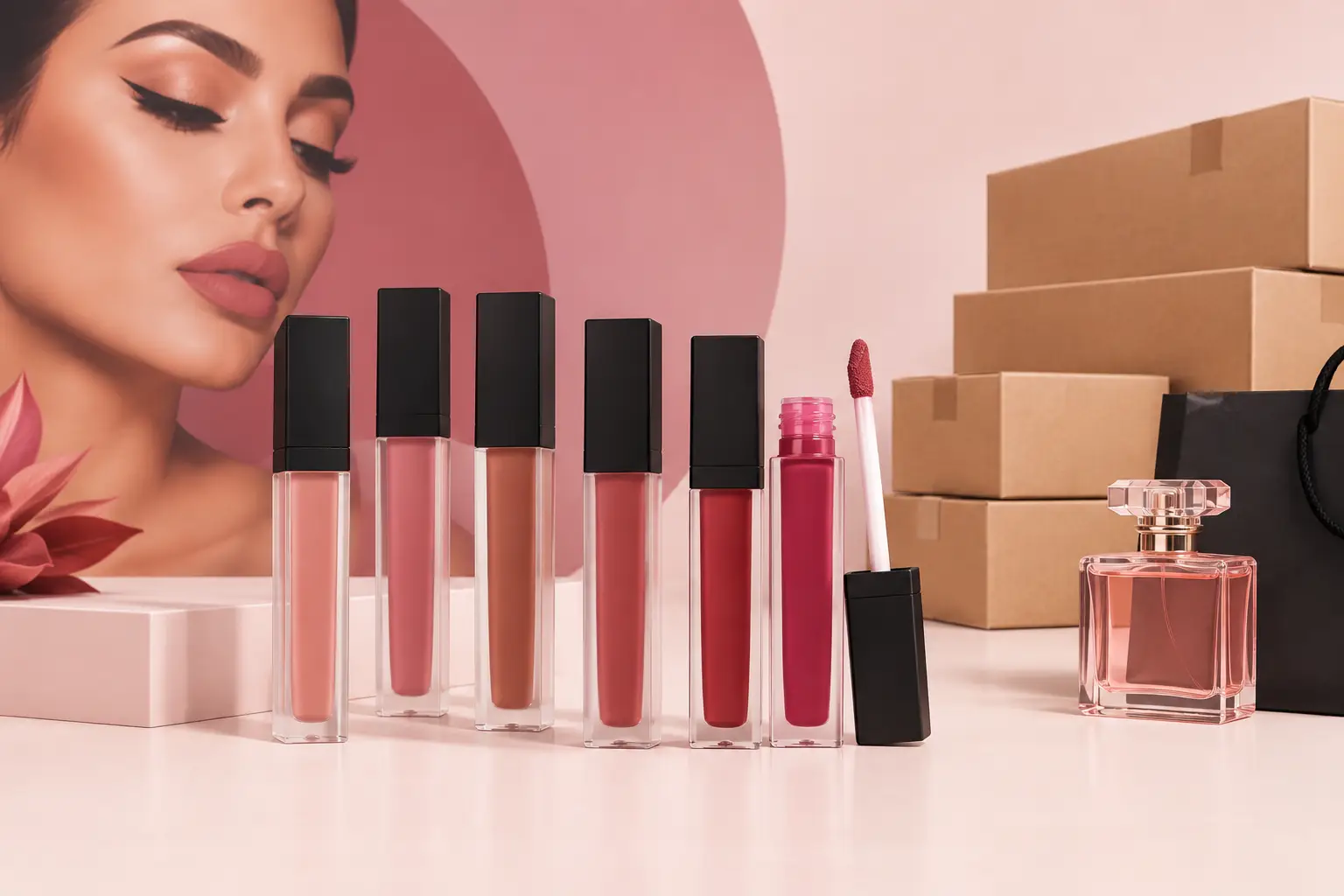
A Huda Beauty liquid lipstick wholesale distributor can give a retailer access to a high-recognition color category, but the opportunity only works when the supply chain is credible. Liquid lipstick is not a slow-moving background product. Customers compare shades, formulas, packaging, and pricing quickly, especially online. Retailers need inventory that arrives in sellable condition, carries clear product information, and supports a margin worth protecting.
For beauty businesses building a premium, trend-aware assortment, the priority is not simply finding the lowest unit price. It is finding a wholesale partner that helps reduce avoidable risk while keeping replenishment practical. Authenticity, traceability, shelf life, and supply consistency should be part of every purchasing decision.
What Retailers Should Expect From a Huda Beauty Liquid Lipstick Wholesale Distributor
A reliable distributor should be able to support a professional buying process from the first inquiry. That means providing clear commercial terms, accurate product details, and documentation appropriate to the products and markets involved. If a supplier avoids direct questions about source, batch identification, or condition, the apparent savings can become expensive inventory problems later.
For liquid lipstick, the condition of the stock matters as much as the brand name. Buyers should expect intact secondary packaging, properly sealed units, legible labels, and a commercially viable remaining shelf life. A low price on aging stock, damaged cartons, or incomplete assortments is not necessarily a strong wholesale deal. It may create customer service costs, discounting pressure, and reduced confidence in your store.
The right supplier also understands that retailer needs differ. A beauty boutique may need curated shade selections and manageable order quantities. A high-volume e-commerce operation may prioritize case-pack consistency, export-ready paperwork, and replenishment capacity. There is no single best purchasing model. The best model is the one that matches your sales channel, customer profile, and cash-flow plan.
Verify the Source Before You Commit
Brand-name cosmetics are a category where due diligence protects both revenue and reputation. Do not treat a product listing or a polished catalog as proof that inventory is suitable for your business. Ask practical questions before issuing a purchase order, and make sure the answers are specific.
A serious wholesale conversation should cover the following:
- The supplier’s business identity, operating location, and terms of sale
- Product origin and whether the channel of supply is authorized or otherwise documented
- Batch codes, production information, and remaining shelf-life expectations
- Unit condition, packaging language, ingredient labeling, and product compliance for your destination market
- Minimum order quantities, lead times, shipping responsibilities, and the process for resolving shortages or damaged goods
These checks are not bureaucracy. They are a commercial safeguard. A retailer that can verify inventory before purchasing is better positioned to avoid returns, marketplace complaints, and stock that cannot be sold with confidence.
Build an Assortment That Can Actually Sell
Huda Beauty liquid lipstick attracts attention because customers often shop the category with a specific finish, shade family, or occasion in mind. That creates a merchandising opportunity, but it also creates the risk of overbuying shades that look exciting in a catalog yet do not move with your audience.
Start with your customer data. If your store serves professional makeup users, event shoppers, or trend-driven social audiences, deeper tones, statement colors, and long-wear finishes may play a larger role. If your customer base favors everyday beauty, wearable neutrals and repeat-purchase shades can provide more dependable sell-through. Online sellers should also consider how colors appear in imagery, because shade expectation gaps can lead to avoidable returns.
A balanced buy is often more effective than a broad, untested purchase. Focus on core shade families first, then use smaller quantities of seasonal or high-impact colors to gauge demand. Reorder performance should guide the next purchase more than assumptions about what is popular generally.
It is also worth looking at the complete lip category in your store. Liquid lipstick can perform strongly beside lip liners, glosses, makeup removers, and complexion products, but only when the assortment feels intentional. Customers respond to a selection that helps them complete a look, not a shelf filled with disconnected units.
Price for Margin, Not for Appearances
Wholesale cost is only one part of the retail equation. To assess whether a distributor quote works, calculate the landed cost per unit. Include freight, insurance where applicable, import duties, handling costs, payment fees, and the expected impact of currency conversion. For e-commerce sellers, add fulfillment costs and a realistic returns allowance.
Then compare the resulting cost with your planned retail price and the pricing landscape in your market. If the margin is thin before marketing or shipping costs, a low unit price has not created a profitable opportunity. The aim is to secure inventory that allows you to compete without training customers to wait for markdowns.
Retail pricing also depends on the condition and completeness of the offer. A full, current assortment from a dependable source may be more valuable than a discounted lot with limited shades, short dating, or inconsistent packaging. It depends on your sales velocity and the expectations customers have of your business. High-turnover channels can sometimes use opportunistic buys successfully. Retailers building long-term trust generally need greater consistency.
Plan Supply Around Replenishment, Not One-Off Deals
A successful beauty assortment needs enough availability to support its own demand. When a product begins to sell, customers expect it to remain available. If a retailer promotes a shade across social content, email campaigns, or paid advertising and cannot replenish it, the campaign may create attention without capturing the full revenue opportunity.
Before making a larger commitment, ask how the distributor manages stock visibility and replenishment. Are quantities confirmed at the time of ordering? Can the supplier communicate expected lead times? Is the stock held and dispatched from a known location? These details help buyers plan promotions, avoid overselling, and maintain more accurate product availability online.
For international purchasing, clarity becomes even more valuable. Shipping lanes, customs processing, product labeling requirements, and local restrictions can affect delivery timing. Work with suppliers that communicate directly about the documents and responsibilities involved rather than leaving essential details vague until after payment.
Glamour TEK AG approaches beauty wholesale as a business relationship built around product quality, commercially relevant selection, and dependable supply. For retailers, that partnership mindset matters because sourcing should support growth rather than add unnecessary operational friction.
Make Product Presentation Part of the Buying Decision
Liquid lipstick is a visual category. Strong inventory needs equally strong presentation once it reaches your store or online catalog. Retail buyers should plan ahead for shade displays, clean product photography, accurate shade descriptions, and staff knowledge that can guide customers toward the right finish and color family.
For physical retail, keep testers and merchandising standards aligned with your hygiene practices and local requirements. For online retail, use clear color descriptions and transparent product information to help customers purchase with confidence. A premium product loses momentum when the listing is incomplete, the images are inconsistent, or customers cannot tell which shade suits their needs.
Promotions should protect brand perception and your margin. Instead of defaulting to deep discounts, consider pairing lip products with complementary beauty items, featuring selected shades in seasonal edits, or rewarding repeat customers through value-added offers. These approaches can raise average order value without making price the only reason to buy.
Turn Due Diligence Into a Competitive Advantage
The strongest retailers do not separate purchasing from customer experience. The quality of your sourcing process shows up in every order you fulfill, every product you display, and every customer who returns to buy again. A well-vetted Huda Beauty liquid lipstick wholesale distributor can support a more compelling assortment, but the retailer still needs to buy with discipline.
Ask for the details, calculate the true landed cost, and choose shade depth based on evidence from your own audience. When inventory is authentic, well-presented, and replenished with confidence, liquid lipstick becomes more than a recognizable product line. It becomes a reliable reason for customers to choose your beauty business again.