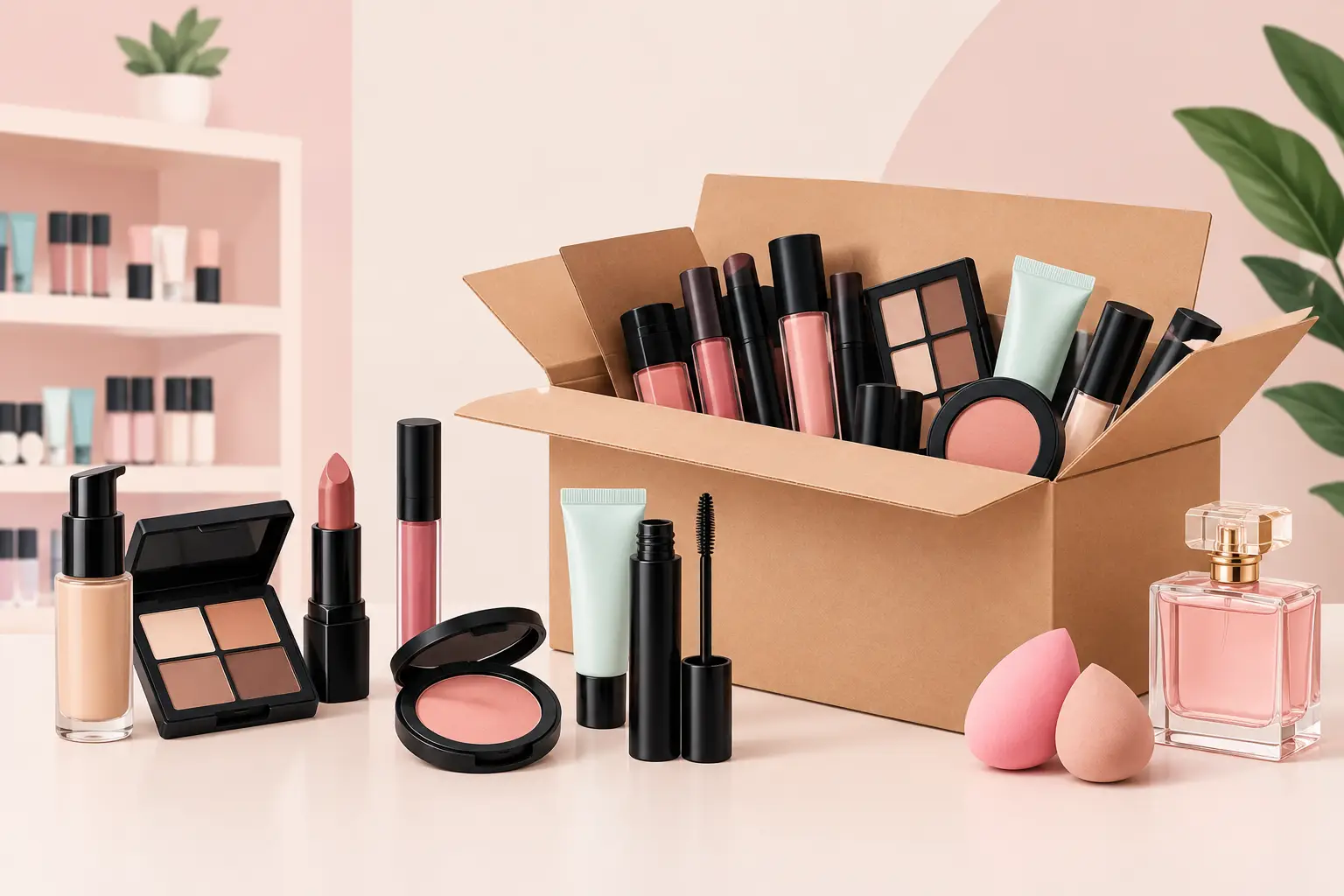
A decision to buy e.l.f. cosmetics bulk lot inventory is not simply a replenishment decision. For beauty retailers, it is a way to bring recognizable, price-accessible products into the assortment while responding to customers who want makeup and skin care that feels current without requiring a premium spend. The opportunity is strong, but the quality of the buying process matters just as much as the brand name on the shelf.
The right wholesale lot can support repeat purchases, encourage multi-item baskets, and give shoppers a reason to return for new shades, seasonal looks, and everyday essentials. The wrong lot can create operational friction through unclear product condition, weak assortment balance, or inventory that does not fit your retail channel. A commercially sound purchase starts with evaluating the products, the supplier, and the resale plan together.
Why e.l.f. Cosmetics Earns Space in Retail Assortments
E.l.f. Cosmetics has broad recognition among value-conscious beauty shoppers, younger consumers, and customers who want to experiment with trend-led products at approachable price points. That combination makes the brand relevant across independent beauty stores, e-commerce shops, discount retail concepts, and broader cosmetics assortments.
For a retailer, the appeal is not limited to one hero product. A well-selected range can span complexion, eye, lip, tools, skin care, and prep products. This creates practical opportunities for cross-selling. A shopper purchasing a primer may also add a complexion product; a brow purchase can lead to a brush or setting item. When the assortment is coordinated, the basket becomes more valuable without feeling forced.
The category also benefits from frequent consumer interest in color, routines, and new product formats. Retailers can use that demand to keep merchandising fresh while maintaining a base of everyday products that customers recognize. The key is to stock with discipline rather than treating a bulk lot as an automatic answer to every inventory need.
What to Review Before You Buy e.l.f. Cosmetics Bulk Lot Inventory
A bulk lot can be an efficient sourcing route, particularly when you need to expand a category or replenish quickly. Yet “bulk” can mean different things from one offer to another. Some lots are curated for retail resale, while others may contain an uneven mix of categories, shades, or packaging conditions. Request enough detail to understand what you are buying before you commit.
Start with the itemized assortment. Product names, SKUs, shades, sizes, quantities, and batch information give your buying team a clearer view of sell-through potential. A lot with strong product diversity may be right for a store building a broad beauty destination. A tighter assortment of proven essentials may be more effective for a smaller retailer with limited shelf capacity.
Condition is equally important. Ask whether products are new, sealed, shelf-ready, and supplied in original packaging. Confirm expiry or period-after-opening information where relevant, particularly for skin care and liquid cosmetics. Beauty customers expect products to arrive clean, authentic, and presentation-ready. A low acquisition cost cannot compensate for inventory that weakens trust at the point of sale.
You should also review case packs and minimum order quantities. Large cases can improve unit economics, but they may tie up cash in slow-moving shades or categories. Smaller initial orders can make sense when testing a new sales channel, while larger commitments may suit established sellers with reliable demand data. The correct volume depends on your sales velocity, storage capacity, and replenishment lead time.
Build the Lot Around Your Customer Base
The best lot for a beauty boutique may not be the best lot for a marketplace seller. Physical stores often benefit from visible variety: complexion, eye, lip, tools, and a few discovery-driven products that invite browsing. Online sellers may prioritize products with clear search demand, easily understood benefits, and straightforward shipping profiles.
Look at your existing sales data before choosing quantities. If your customers consistently purchase makeup tools and complexion products, a lot weighted toward those areas could be commercially stronger than a broad but random assortment. If your business relies on gifting, travel, or impulse purchases, compact items and accessible price points may have a more valuable role.
Shade selection deserves close attention. Complexion products can generate repeat business, but shade-heavy inventory requires thoughtful planning. A wide shade range signals inclusivity and gives customers options, yet overbuying less-requested shades can slow inventory turns. Use local customer knowledge and past demand to establish a balanced mix instead of relying on assumptions.
Protect Margin Without Buying Blind
Wholesale pricing matters, but landed cost determines whether a purchase supports your margin. Include freight, duties, insurance, handling, storage, marketplace fees, payment costs, and any required repackaging in your calculations. This is especially important for international buyers and sellers operating across multiple fulfillment locations.
Set a target gross margin by category before placing the order. Fast-moving essentials may justify a different margin strategy than limited-demand color items. You may choose to price certain products competitively to drive traffic, then protect profitability through complementary purchases. What matters is that the lot works as part of an overall assortment strategy rather than as a collection of isolated units.
Avoid being drawn in by a headline unit price without considering product mix. A low-cost bulk lot containing excess quantities of slow-moving items can become expensive inventory. A slightly higher-cost lot with clearer provenance, better category balance, and stronger retail readiness may produce better cash flow and fewer markdowns.
Supplier Reliability Is Part of the Product
In wholesale beauty, supply reliability is a commercial advantage. Your customers do not see purchase orders, shipment coordination, or documentation. They only see whether the product they want is available when they are ready to buy it. A dependable supplier helps protect that customer experience.
Before purchasing, confirm the supplier’s business credentials, product sourcing standards, order process, and expected delivery timing. Ask for transparent documentation and clear communication about stock availability. If you sell through marketplaces or operate a multi-store business, verify that the inventory and paperwork align with the requirements of your specific channels.
It is also wise to clarify the supplier’s policy on shortages, damaged goods, and order discrepancies. Problems can happen in any supply chain. The difference lies in how quickly and professionally they are addressed. Working with a serious wholesale partner reduces uncertainty and gives your purchasing team more confidence to plan promotions, launches, and replenishment cycles.
Glamour TEK AG supports retailers seeking commercially relevant beauty inventory with a focus on product quality, competitive wholesale value, and dependable international supply. For businesses building scalable assortments, the supplier relationship should strengthen operations, not add complexity.
Turn Bulk Inventory Into Better Sell-Through
Receiving a strong bulk lot is only the beginning. The next step is presenting it in a way that makes shopping easier. Group products by routine or outcome rather than placing every category in isolation. For example, prep products, complexion essentials, and tools can create a logical in-store story. Online, clear product titles, accurate shades, quality imagery, and concise benefit-led descriptions reduce hesitation.
Train staff to recommend products in combinations. A customer who arrives for a brow item may appreciate a compatible tool or a setting product, but only if the recommendation feels useful. Bundles can also help move coordinated inventory, provided the offer delivers visible value and does not rely on discounting alone.
Monitor sell-through from the first weeks after launch. Track category performance, shade movement, average order value, returns, and repeat purchases. This information will show whether the next order should go deeper into proven lines, broaden into adjacent categories, or reduce exposure to slower products. Fast feedback is one of the most valuable advantages an independent retailer can have.
A Better Buying Decision Starts With a Clear Plan
Buying e.l.f. Cosmetics in bulk can give your business access to a recognizable, accessible beauty proposition with room for frequent merchandising and cross-selling. But the strongest results come from a lot that is verified, appropriately balanced, financially sound, and suited to the way your customers shop.
Treat every wholesale order as a retail growth decision. When product quality, assortment relevance, pricing discipline, and supplier dependability come together, your inventory does more than fill shelves – it gives customers more reasons to choose your business again.